
Enhancing Denture Comfort and Fit with Soft Liners in Naperville
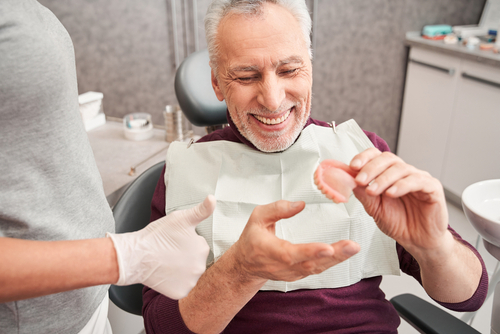 Wearing dentures can sometimes bring discomfort, sore spots, and fit issues that affect daily life and enjoyment of meals or conversations. Fortunately, soft liners provide a solution that cushions the gums and improves the way dentures fit, making them easier and more comfortable to wear.
Whether you are new to dentures or have been managing them for years, understanding how soft liners work and their benefits can help you take better care of your oral health and enhance your confidence. Schedule an appointment with our Naperville dentists by calling 630-579-6000 for top denture care.
Why Naperville Patients Constantly Choose Us for Soft Liners
Naperville patients consistently trust Riverwalk Family Dental for their soft liner needs due to our commitment to personalized care, extensive expertise, and use of advanced materials. We understand that every patient’s dental anatomy and comfort requirements are unique, which is why we tailor each soft liner application to achieve the perfect fit and lasting relief. Our skilled team ensures meticulous attention to detail during fitting and adjustments, providing exceptional comfort and stability.
Additionally, our convenient location and friendly environment make ongoing care and maintenance easy for our patients in Naperville and nearby communities. Choosing us means receiving trusted, compassionate dental care that prioritizes your comfort and oral health.
What are Soft Liners for Dentures?
Soft liners are specialized materials specially designed to be placed inside dentures. Their main purpose is to create a softer interface between the hard denture base and the sensitive gum tissue underneath. This cushioning layer helps relieve pressure, soothe tender areas, and reduce irritation that can otherwise cause discomfort or pain while wearing dentures. For many denture users, soft liners represent a significant improvement by enhancing both comfort and the overall fit of their dental prosthetics.
Types of Soft Liners
When considering soft liners, it’s important to know about the two main categories available: permanent and temporary soft liners. Each type is tailored to specific dental needs and circumstances.
Permanent Soft Liners
Permanent soft liners are crafted from durable, long-lasting materials that are integrated into the denture during its fabrication or through a relining process. These liners offer a continuous cushioning effect, ideal for people with sensitive gums, chronic discomfort, or changes in the bone supporting the gums. They adapt over time to provide sustained comfort and improved fit, especially for individuals experiencing bone resorption, a common condition after tooth loss that can alter the shape of the gum ridge.
This ongoing adaptation helps maintain denture stability and reduces sore spots, making daily activities like eating and speaking more comfortable.
Temporary Soft Liners
Temporary liners serve as short-term solutions, often applied after tooth extractions or dental adjustments while the gums heal. They provide immediate relief by cushioning the gums during sensitive periods but are not designed for extended use. These liners are softer and less durable, meant to be replaced by a permanent liner or a new denture once healing is complete. Their use is particularly helpful in transitioning between dental treatments.
Benefits of Soft Liners for Denture Wearers
 Soft liners offer a variety of benefits that make wearing dentures more pleasant and functional, including:
- Comfort Enhancement: By providing a shock-absorbing cushion, soft liners ease pressure on sensitive gum tissue and minimize soreness and irritation.
- Improved Fit Over Time: Soft liners conform to changes in gum shape and bone volume, adapting the denture’s fit as your mouth naturally changes.
- Better Chewing Efficiency: A more stable and comfortable denture helps improve biting and chewing capabilities, enabling you to enjoy a wider variety of foods without discomfort.
- Protection of Oral Tissues: Soft liners have the added benefit of protecting delicate gum tissues from friction and abrasion caused by rigid denture bases.
By choosing soft liners, denture wearers can significantly improve their quality of life and contribute to maintaining oral health during the denture-wearing journey.
The Soft Liner Procedure with Your Naperville Dentist
Understanding the soft liner procedure is essential for achieving optimal comfort and fit with your dentures. Below are the steps involved in applying soft liners, which can help improve your denture experience significantly.
- Initial Consultation: Schedule an appointment with your dental provider to discuss your specific needs and whether soft liners are suitable for your dentures.
- Assessment of Existing Dentures: The dentist will evaluate your current dentures for fit and condition, determining if adjustments or new liners are necessary.
- Preparation of the Denture: The denture will be cleaned and prepared for the soft liner application, ensuring a proper bond during the procedure.
- Application of Soft Liner Material: A soft, pliable material is then applied inside the denture, creating a cushioning layer against the gums for enhanced comfort.
- Shaping and Setting: The soft liner is shaped to conform to the contours of your gums, providing an even fit that reduces movement and discomfort.
- Final Adjustments: After the material sets, the dentist will make any final adjustments to ensure a secure and comfortable fit.
- Post-Application Care Instructions: You will receive guidance on how to care for your new soft liner, including cleaning and maintenance tips for lasting comfort.
Best Practices for Use and Maintenance of Soft Liners
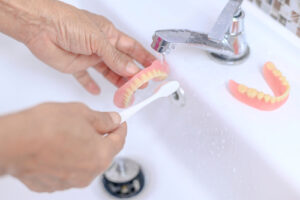 To maximize the lifespan and functionality of soft liners, proper care and regular professional oversight are necessary. Here are some essential tips:
- Routine Dental Visits: Schedule regular appointments at places like Riverwalk Family Dental, where experts in Naperville and nearby areas can evaluate your liners, make adjustments, or replace them as needed.
- Daily Cleaning: Clean your dentures and liners gently each day with non-abrasive cleaners and warm water, avoiding harsh chemicals that could damage the lining.
- Proper Storage: Always store removable dentures with soft liners in water or a recommended soaking solution when not in use to keep materials moist and prevent warping.
- Monitor Changes: Pay attention to changes in comfort, fit, or appearance, and consult your dentist promptly if you notice any issues to maintain oral health and comfort.
How Soft Liners Work: Cushioning and Fit Improvement
Soft liners are unique because they provide a pliable, adaptable layer between the denture and your gums. This layer cushions the forces from chewing and speaking, distributing pressure evenly and minimizing discomfort. The liners gently conform to the contours of your gums, filling in gaps and reducing movement of the denture. This helps prevent slippage or soreness and supports better retention and stability. Their flexible nature allows for subtle adjustments as your mouth changes shape over time, keeping your dentures feeling secure and comfortable.