

Is a Root Canal Safe? What River Walk Family Dental Patients Should Know
 For many people, hearing the words “root canal” brings an immediate feeling of worry or dread. This common fear is actually based on old myths rather than modern dental facts. Root canal therapy is a highly common and successful dental procedure designed to save your natural tooth, relieve pain, and protect your overall health.
At River Walk Family Dental in Naperville, IL, we believe dental understanding is key to a relaxed smile. If you are searching for Naperville dentists who put your comfort first, you are in the right place. If you’re worried about the safety of root canals, schedule an appointment with our dental professionals by calling 630-579-6000.
Convenient Dental Care for Our Naperville Neighbors
At River Walk Family Dental, we are proud to serve families in Naperville and the surrounding communities. We know that finding high-quality dental care close to home is important. Our office is centrally located and easily accessible for residents throughout the region.
We offer convenient appointment times, including extended evening hours and Saturday visits, to fit your busy schedule. We also accept a wide range of insurance plans and offer flexible payment options to ensure that cost is never a barrier to receiving the healthy, beautiful smile you deserve.
Why Root Canal Therapy is Essential and Safe
A root canal is necessary when the soft tissue inside your tooth, known as the pulp, becomes inflamed or infected. If left untreated, this infection can spread, causing severe pain, bone loss, or tooth loss. The treatment removes diseased tissue, disinfects the chamber, and seals the space to prevent infections.
Some worry root canals are unsafe but modern science has thoroughly disproven this theory. Countless studies prove root canals are a safe, effective, and reliable way to treat infection.
Keeping your natural tooth is always the best option. It offers key benefits:
- It allows you to chew naturally and comfortably.
- It maintains your normal biting force and sensation.
- It preserves your natural facial structure and smile.
- It prevents your surrounding teeth from shifting.
- It protects your jawbone from deteriorating.
Advanced Technology and Strict Safety Standards
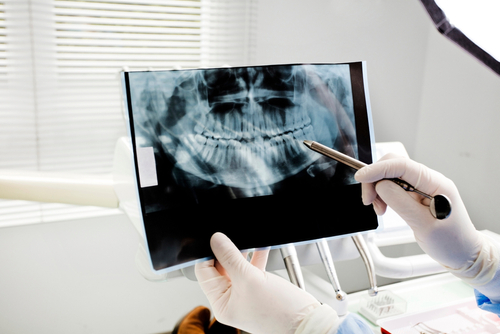 How do we make sure your root canal is safe? It comes down to technology and high standards. Our Naperville dental office uses state-of-the-art tools to make treatment precise and comfortable. We prioritize your well-being by utilizing the following clinical advances:
- Digital X-rays: These images reduce radiation exposure and give us a clear view of your tooth’s root structure.
- Medical-grade autoclaves: We sterilize every single instrument using thermal technology.
- Rigorous safety protocols: We follow all strict sterilization guidelines set by the ADA and CDC.
- Protective dental dams: This barrier isolates the tooth, keeping it clean while preventing saliva bacteria from entering.
These steps ensure your treatment is safe and sterile. If you want care from the best dentists in Naperville, our high standards will reassure you.
Your Comfort is Our Priority
A common myth is that root canals are incredibly painful. In reality, a root canal does not cause pain; it relieves it! Because of modern anesthetics and gentle dental techniques, most patients report that getting a root canal feels no different than getting a standard dental filling. We numb the area completely before we begin, so you will not feel a thing during the procedure. To make your experience even more relaxing, we focus on:
- Complete local numbing: We ensure the target area is fully desensitized before we begin.
- Nitrous oxide options: This safe gas helps you relax completely while remaining awake and communicative.
- Gentle endodontic techniques: Our refined methods reduce physical stress on the tooth and gums.
- Anxiety-free environments: We design our rooms to feel calm, quiet, warm, and highly welcoming for nervous patients.
As top-rated Naperville dentists, we understand that dental anxiety is real, and we work hard to make your visit a positive, stress-free experience.